Serving, Learning and Waiting for the Bus in Belize: A Public Health Lesson
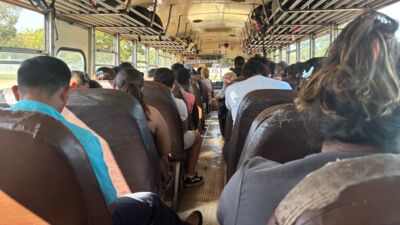
When you can depend on your car, transportation is invisible. It’s background noise. A given. You grab your keys without thinking and go. Go to work, school, grocery store, doctor’s appointment all within reach on your own schedule. That invisibility disappeared for me when I began my sabbatical work in Punta Gorda, Belize.
Here, transportation isn’t automatic; it’s negotiated. It depends on timing, weather, cash in your pocket, whether a bus is running, whether a ride is available and sometimes whether the road conditions allow. Something as simple as getting across town can take planning, patience and flexibility. And as a public health professional, I’ve started to see something more clearly than ever before: transportation isn’t just convenient, it’s a health factor, and I hadn’t fully appreciated that before being here.
Back home, I rarely think twice about how I’m getting somewhere. I build tight schedules and stack meetings. I run errands between appointments. If I forget something, I just go back and get it. Transportation supports efficiency, and I expect it to. In Punta Gorda, that mindset doesn’t work very well for me.
Public transportation is available, but it runs on its own rhythm. Miss the bus and you may be waiting a long time. I learned that lesson firsthand when I misjudged timing one hot day and watched the bus pull away without me. The next one wasn’t coming for two hours. My only options were to call a taxi, which costs about 12 times the bus fare, or be late. It wasn’t catastrophic. But it was enough to make me stop and think if that price difference mattered to me, how much more does it matter to someone living on a tight budget?
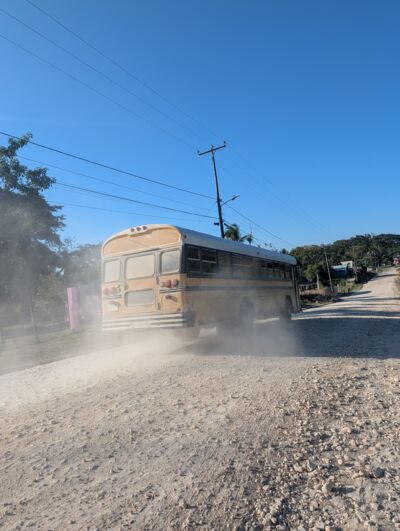
That single missed bus changed my day. But for many people, transportation barriers don’t just change a day, they shape health outcomes. In public health, we often talk about “access to care.” We focus on clinic availability, provider shortages, medication supply and insurance coverage, but access actually starts earlier with simply being able to get there.
If a patient with diabetes can’t get a reliable ride, routine monitoring gets delayed. If someone with high blood pressure has to choose between losing a day’s wage or traveling for a checkup, prevention loses. If transportation is expensive or unpredictable, follow-up appointments become optional instead of routine. Medication refills get postponed and early warning signs go unchecked.
Working alongside healthcare providers here has made this visible in practical ways. Some patients travel from surrounding villages by boat or bus. Weather can interrupt routes. Bad roads, high costs and time away from work all quietly stand in the way of care. When we talk about chronic diseases like heart disease, stroke and diabetes, consistency of care is everything. Unreliable transportation quietly undermines that kind of consistent care.
And chronic care is only part of the story. Emergencies don’t wait for the bus schedule. In some surrounding villages, transportation into town runs only a few days a week. When a child develops a high fever, when labor begins unexpectedly, when chest pain or injury strikes, families cannot simply grab their keys and go. Instead, you knock on your neighbor’s door. You try to find a ride. You consider the cost of a taxi from the nearest town. In those moments, distance feels different and precious minutes matter. Transportation stops being about inconvenience and becomes about how quickly someone can get care or how long they have to wait, and in serious situations, that difference can change outcomes.
There is also a mental load that’s easy to overlook. When transportation is uncertain, every trip requires extra thought about leaving early, building in buffer time, carrying what you might need, coordinating carefully and deciding whether the trip is worth attempting at all. For many, this may feel normal and simply how life works. But normal does not mean neutral. The constant planning and adjusting requires energy and attention. Over time, that background strain can affect sleep, blood pressure, decision-making and overall well-being.
At the same time, I’ve also seen something encouraging. Community fills gaps where systems fall short. People share rides. They look out for each other. They coordinate trips into town. Transportation here is often more relational than transactional, and honestly, I’ve come to appreciate that. You depend on people, not just vehicles, and there’s something humanizing about that, even when it’s inconvenient.
This experience has made me look differently at transportation back home, too. We tend to assume access. But many people in our own communities face similar challenges such as older adults who no longer drive, rural residents far from clinics, families with one vehicle and multiple jobs, students without cars or individuals with disabilities. Transportation barriers are not rare; they’re just often invisible to those of us who don’t face them personally.
One of the quiet lessons of my sabbatical in Belize is that when your normal supports are removed, your awareness increases. You notice systems and barriers. You notice how much daily life depends on things you rarely name.
I came to Punta Gorda to contribute to public health work. I didn’t expect the bus schedule to become one of my teachers, but it has reminded me that health is shaped not only by biology and behavior, but by logistics, infrastructure and access. Sometimes better health is as practical as a road, a bus and the ability to get where you need to go.
If you’re passionate about improving health outcomes and understanding the real-world factors that shape community well-being, Concordia University, Nebraska’s Master of Public Health program prepares you to lead. Through a faith-informed, practice-focused curriculum, you’ll gain the tools to address complex public health challenges and serve communities with knowledge, compassion and purpose.
About the Author
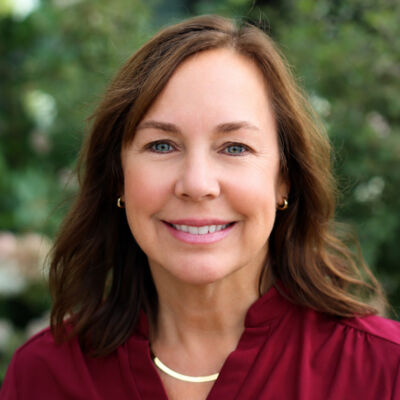
Dr. Jen Janousek has served at Concordia University, Nebraska since 2001, where she is a professor in the Health and Human Performance Department and currently directs the Master of Public Health program.
Meet JenniferInterested in Concordia University, Nebraska's Master of Public Health program?