Interpersonal Communication Skills for Children and Youth
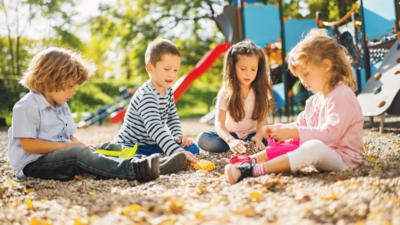
Interpersonal communication skills help young people build friendships, navigate conflict, express emotions, advocate for themselves and develop healthy relationships with peers and adults. These skills can influence how students experience school, respond to challenges and understand their place within their communities.
Because children and youth are still developing emotionally and socially, they often need intentional opportunities to practice communication. School counselors can play an important role in helping students develop these skills and giving them tools they can use throughout their lives.
Why Interpersonal Communication Matters
School is one of the primary environments where young people learn how to interact with others. Students encounter classmates with different personalities, perspectives, backgrounds and communication styles. They also interact with teachers, coaches, administrators and other adults.
Strong interpersonal communication skills can help students:
Express thoughts, feelings and needs clearly
Listen to and understand other people's perspectives
Build and maintain healthy relationships
Resolve disagreements constructively
Set appropriate boundaries
Ask for help when they need it
Advocate for themselves and others
Respond appropriately to feedback
Develop empathy and emotional awareness
When students struggle to communicate, the effects can extend beyond social relationships. Misunderstandings may contribute to peer conflict, classroom disruptions, isolation or difficulty seeking academic and emotional support.
For school counselors, communication is therefore both a student skill to develop and an essential tool for supporting students.
Key Communication Skills for Children and Youth
Effective communication begins with active listening. Children and adolescents can learn to give others their full attention, avoid interrupting and demonstrate that they understand what someone is saying.
School counselors can model active listening by maintaining appropriate eye contact, asking thoughtful follow-up questions and reflecting students' concerns back to them. These behaviors demonstrate that listening is not simply waiting for a turn to speak. It is an active way of showing care and understanding.
Young people do not always have the vocabulary or confidence to explain what they are experiencing. Helping students identify and name their emotions can give them a foundation for communicating their needs.
Instead of responding with anger, withdrawal or silence, a student who has practiced emotional communication may be better equipped to say, “That hurt my feelings,” “I need some space” or “I don't understand what I'm supposed to do.”
Disagreements are a normal part of growing up. The goal is not to prevent every conflict, but to help students learn how to navigate disagreements in healthy ways.
Counselors can teach students strategies such as remaining calm, listening to the other person's perspective, identifying the problem, using respectful language and working toward a solution. Role-playing common scenarios can provide students with a safe environment to practice these skills before they encounter similar situations in real life.
Communication becomes stronger when students learn to consider what someone else may be thinking or feeling. Perspective-taking helps children recognize that two people can experience the same situation differently.
Counselors can encourage students to ask questions such as, “How might the other person have felt?” or “Is there another way to understand what happened?” These conversations can help students develop empathy while also reducing assumptions and misunderstandings.
Students also need to know how to communicate on their own behalf. Self-advocacy can involve asking a teacher for clarification, communicating a concern to an adult, requesting support or explaining what they need to be successful.
School counselors can help students practice expressing themselves respectfully and confidently while understanding when and how to seek additional support.
How School Counselors Can Help
Interpersonal communication skills can be developed through individual counseling, small-group activities, classroom lessons and everyday interactions. Counselors might use scenarios, discussion prompts, collaborative activities, role-playing or reflection exercises to help students apply communication strategies to situations they actually encounter.
The counselor's own communication also matters. Students learn from the way adults listen, respond to conflict, demonstrate empathy and communicate expectations. By creating a safe and supportive environment, school counselors can help students feel comfortable practicing skills that may initially feel unfamiliar.
Communication skills are also connected to the broader role of school counseling. Effective counselors collaborate with teachers, families, administrators and community partners to advocate for students and support their academic, personal and career development.
Preparing to Support the Whole Student
Developing interpersonal communication skills is one part of helping children and youth thrive. For aspiring school counselors, understanding how communication connects with child development, counseling theory, group dynamics, assessment, crisis intervention and collaboration is essential.
Concordia University, Nebraska's M.A. in School Counseling prepares current and future counselors to support students while developing the skills needed to lead comprehensive school counseling programs. The program includes coursework in child and adolescent development, counseling theories, group counseling, counseling diverse populations, consultation strategies and trauma and crisis intervention.
The program also combines online coursework with practical experience, including a 100-hour practicum and a 450-hour supervised internship serving students at both the PK–6 and 7–12 levels. Concordia's approach emphasizes holistic, Scripture-based perspectives and prepares counselors to advocate for students while collaborating with families, educators and other stakeholders.
For students who want to help young people find their voice, navigate relationships and develop the skills they need to flourish, school counseling offers an opportunity to make a meaningful difference. Strong communication can shape a student's relationships, confidence and ability to navigate challenges, and a well-prepared school counselor can help make those skills accessible to every student.
If you’re passionate about helping children and adolescents develop the communication skills they need to navigate school, relationships and life, a career in school counseling may be a natural fit. Concordia University, Nebraska’s M.A. in School Counseling prepares you to support the whole student through academic, social and personal development.
Interested in Concordia University, Nebraska's M.A. in School Counseling program?