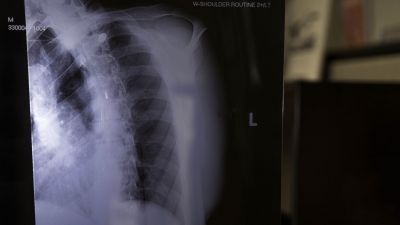
Pre-Radiation Science Technology
15:1
Student-to-faculty ratio
100%
Faculty with terminal degree
Radiologic technologists and radiologists use sophisticated imaging equipment and ionizing radiation to take medical images of patients’ bodies. If you become a radiologic technologist, you will perform diagnostic imaging examinations and administer radiation therapy treatments. You will work with a radiologist to operate MRI machines, take X-rays and CAT scans and help patients prepare for their procedures. As a radiologist, you would be a physician or surgeon who would interpret those medical images to diagnose and treat disease and illness. Medical radiation science is also at the forefront of cancer treatment, meaning you might assist radiation oncologists with radiation therapies and administer daily treatment to your patients.
Because you’ll interact with patients on a daily basis, to be a successful healthcare provider, you’ll need to be ready to collaborate with your patients and their families, helping them understand what you are doing and answering questions and concerns in a professional, efficient and effective manner.
Concordia University, Nebraska’s pre-radiation science technology program can help prepare you with the foundation you need to excel in a graduate program. With a strong core of classes in the sciences, like biology, chemistry and psychology, as well as a liberal art focus on interpersonal communication, critical thinking and analytical reasoning, Concordia Nebraska’s pre-radiation science program gives you the skills you need to continue your education in order to become a radiologic technologist. You’ll be well-prepared to succeed in your professional school program and in your career.
Concordia NebraskaPre-Radiation Science Technology: Learning Objectives
Students in the pre-radiation science technology program at Concordia University, Nebraska will demonstrate comprehension of key scientific principles related to required courses.
Students will be able to synthesize, integrate and analyze research in health science literature.
Students will demonstrate effective interpersonal communication and critical thinking skills.
Concordia Nebraska Pre-Radiation Science Technology: Career Outcomes
Radiologist
Radiologists are physicians or surgeons who work with advanced diagnostic and treatment methods using medical imaging. As a radiologist, you would use mammography, x-ray, MRI, fluoroscopy or CT scans to identify and treat illness and disease, such as cancer and musculoskeletal diseases.
Radiology Technologist
Radiology technologists, also known as radiographers, create medical images using x-ray, MRI or mammography for radiologists and other physicians to read and analyze. As a radiographer, you would work closely with doctors to create diagnostic images to help diagnose and treat patients.
Concordia NebraskaPre-Radiation Science Technology: Related Programs
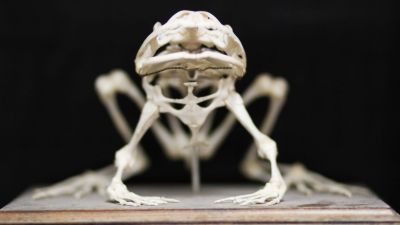
Biology
As a biology major at Concordia University, Nebraska, you will study in-depth topics such as microbiology, human anatomy and immunology to give you the knowledge you need to be successful in the field of biology.
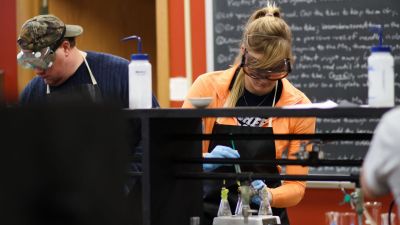
Chemistry
A degree in chemistry from Concordia University, Nebraska expands your understanding of general chemistry and gives you the practical, hands-on experience you need to continue a career in chemistry after graduation.
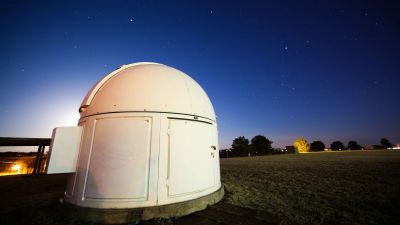
Physical Science
A degree in physical science from Concordia University, Nebraska will give you an interdisciplinary background in the physical sciences including physics, chemistry and math.
1 Recent graduates attending graduate school or employed within six months of graduation.
2 Career salary and wages sourced from the U.S. Bureau of Labor Statistics.