Boosting Peer Play: How to Support Meaningful Interactions in Early Childhood Settings
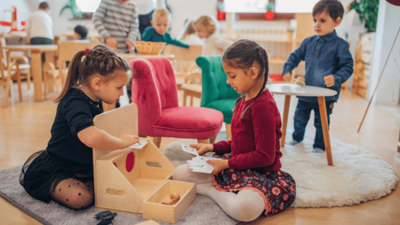
Play is often described as the work of childhood. Through play, young children explore their world, develop communication skills, practice problem-solving and build relationships with those around them. For children in early childhood settings, opportunities to play alongside peers are essential for social growth and learning.
However, meaningful peer interactions do not always happen naturally for every child. Some children may need additional support to enter play, communicate their ideas, understand social cues or maintain engagement with classmates. Early childhood educators play a critical role in creating environments where every child has the opportunity to participate, connect and thrive.
Supporting peer play is a key component of inclusive early childhood education, especially when working with children with disabilities or developmental differences. By intentionally fostering interactions, educators can help build classrooms where children learn from one another and experience the value of belonging.
Why Peer Play Matters
Peer play provides children with opportunities to practice skills that extend far beyond the play area. When children build a block tower together, create a pretend restaurant or take turns on the playground, they are learning cooperation, communication, flexibility and empathy.
For children with developmental delays or disabilities, peer interactions can provide important opportunities to observe, practice and strengthen social skills in natural settings. A supportive classroom environment allows children with different abilities to learn alongside one another while recognizing and celebrating each child’s unique strengths.
Rather than viewing play as simply a break from academic learning, effective early childhood educators recognize play as a powerful way children develop foundational skills that influence future success.
Creating Opportunities for Connection
One of the first steps in boosting peer play is creating an environment designed for interaction. Classroom spaces, materials and routines can either encourage children to engage with one another or create barriers to connection.
Educators can support peer interactions by:
Providing engaging, open-ended activities that encourage collaboration.
Arranging classroom areas so children naturally encounter and work with peers.
Offering materials that promote sharing, teamwork and creativity.
Creating predictable routines that help children feel comfortable participating.
Small changes can make a significant difference. For example, placing two children together with a shared goal such as building a structure or completing a puzzle can create an opportunity for communication and cooperation.
The Role of the Teacher in Supporting Play
While children need opportunities for independent exploration, teachers serve an important role in guiding and supporting peer relationships. Effective educators know when to step in, when to model a skill and when to allow children space to navigate interactions independently.
One way teachers can encourage peer play is by modeling social skills. Children often learn by watching adults& demonstrate communication, problem-solving and kindness. Educators can model phrases such as “can I play?”, “let’s take turns” or “how can we solve this together?”
Educators can also help children by entering play themselves. Some children may want to participate but may not know how to join a group. Teachers can help by suggesting ideas, assigning roles or connecting children with shared interests.
Whether through words, gestures, pictures or assistive communication tools, every child should have a way to express ideas and participate with peers. When an educator facilitates communication between students, it can help bolster students’ confidence to communicate.
Building friendships and social confidence takes time. Recognizing small moments of connection helps children understand that their contributions matter.
Supporting Inclusion Through Intentional Practice
Inclusive early childhood classrooms recognize that children do not all learn, communicate or interact in the same way. Supporting peer play means providing individualized strategies while ensuring every child is valued as a member of the classroom community.
Early childhood special education professionals are trained to understand child development, identify individual needs and implement strategies that help children participate in everyday activities. They collaborate with families, teachers and specialists to create supportive environments where children can grow academically, socially& and emotionally.
At Concordia University, Nebraska, students in the early childhood special education program learn how to serve children with diverse learning needs through evidence-based practices, hands-on experiencesand a Christ-centered approach to education. Future educators are equipped to create inclusive classrooms where all children are encouraged to learn, connect and shine.
Preparing Educators to Build Inclusive Communities
Supporting peer play requires educators who understand child development, recognize individual strengths and challenges, and know how to create environments where every child can participate. Early childhood special education professionals play a vital role in helping young children with disabilities develop relationships, communicate their& needs and engage with their peers.
At Concordia University, Nebraska, the Master of Education in Early Childhood Special Education prepares educators to serve young children with diverse learning needs through inclusive, evidence-based practices grounded in a Christ-centered perspective. The program equips teachers with the knowledge and skills needed to design supportive learning environments, collaborate with families and colleagues and provide individualized instruction that helps every child grow.
Through coursework focused on areas such as inclusive practices, family partnerships, differentiation, assessment and supporting students with disabilities, graduate students learn how to apply research-based strategies in real classroom settings.
For educators working to strengthen peer interactions, this preparation is especially valuable. Understanding how children develop socially and emotionally allows teachers to identify barriers to participation and create intentional supports that encourage friendship, communication and collaboration. Whether it is helping a child learn how to join a group activity, adapting an environment to encourage interaction or partnering with families to support growth, early childhood special educators help create classrooms where all children can belong.
At Concordia, students are prepared not only to teach skills but also to recognize the God-given talents of each child. By combining professional preparation with a commitment to service, graduates are equipped to advocate for inclusive classrooms where children of all abilities have opportunities to learn, play and grow together.
Helping Every Child Find Their Place
Peer play is where friendships begin, confidence grows and lifelong skills develop. When educators intentionally support interactions, they create classrooms where every child has the opportunity to participate and belong.
By understanding the importance of peer relationships and using thoughtful strategies to encourage connection, early childhood educators can help children build the social skills they need to succeed both inside and outside the classroom.
Every child has something valuable to contribute. Through intentional support and inclusive practices, educators can help every child discover the joy of learning and playing together.
Every child deserves the opportunity to be known, valued and included. Through intentional teaching, compassionate support and a commitment to meeting each child’s unique needs, early childhood educators help create classrooms where children of all abilities can build friendships, discover their strengths and grow with confidence. Concordia University, Nebraska’s Early Childhood Special Education program prepares educators to make a difference one child, one relationship and one moment of learning at a time.
Interested in Concordia University, Nebraska's Early Childhood Special Education program?